
Where the extra volume helps
A warehouse clear-out, renovation of several areas or removal of bulky fixtures can justify a larger container. Large events may also create a concentrated disposal need, but collection timing and accepted material should be discussed before a bin is added to the site plan.
On a building project, identify whether one contractor or several trades will load the container. Shared use needs clear instructions so restricted waste is not mixed in. Separating a clean recyclable stream may be more useful than treating every item as general debris.
Do not confuse size with heavy-debris permission
The reference’s 30-yard guidance restricts dense loads such as concrete, dirt and shingles. Request a separate approved solution for these materials rather than assuming the larger box has a greater safe payload. Weight allowance, container capacity and transport limits are separate constraints.
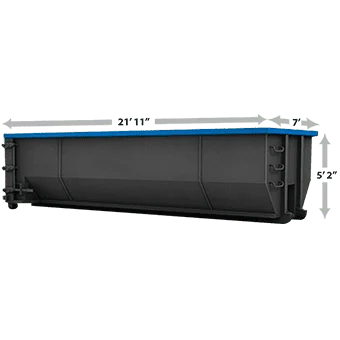
ASAP’s pages give different example dimensions for this size. Ask for the dimensions of the specific container and a review of the intended placement. Higher sides can also influence how the crew loads material; discuss rear-door access where that configuration is available.
Make delivery and pickup part of the work schedule
Choose a loading position that keeps pedestrians and site traffic clear, while preserving the truck’s approach. Check that later deliveries, parked vehicles or scaffolding will not block the route. A container that remains accessible is easier to exchange when work continues.
Before requesting pickup, check the fill line, permitted material and door position. Remove anything blocking the truck’s approach and tell the advisor about soft ground or changed site conditions. If the load needs attention, discuss it before the driver arrives instead of relying on a failed collection to identify the problem.